History of Hojicha
Hojicha is developed
There was one downside to machine trimming. When green tea leaves are harvested mechanically, debris is scattered among the leaves. As an island with limited resources, an important part of Japanese culture is the prevention of waste. In the 1920s, a tea merchant tried to make the most of the leftover leaves, stems, stalks, and twigs by roasting them over charcoal. The experiment proved successful, and hojicha came to be.
Hojicha originated in Kyoto, and shortly after tea shops across Japan began roasting green tea. In addition to minimizing wastefulness, hojicha resulted in another business opportunity. The pleasant aroma of roasting green tea helped merchants entice more customers into their shops. Once tea drinkers tasted hojicha, they were enchanted by its deep smoky aroma and round flavor.
Hojicha today
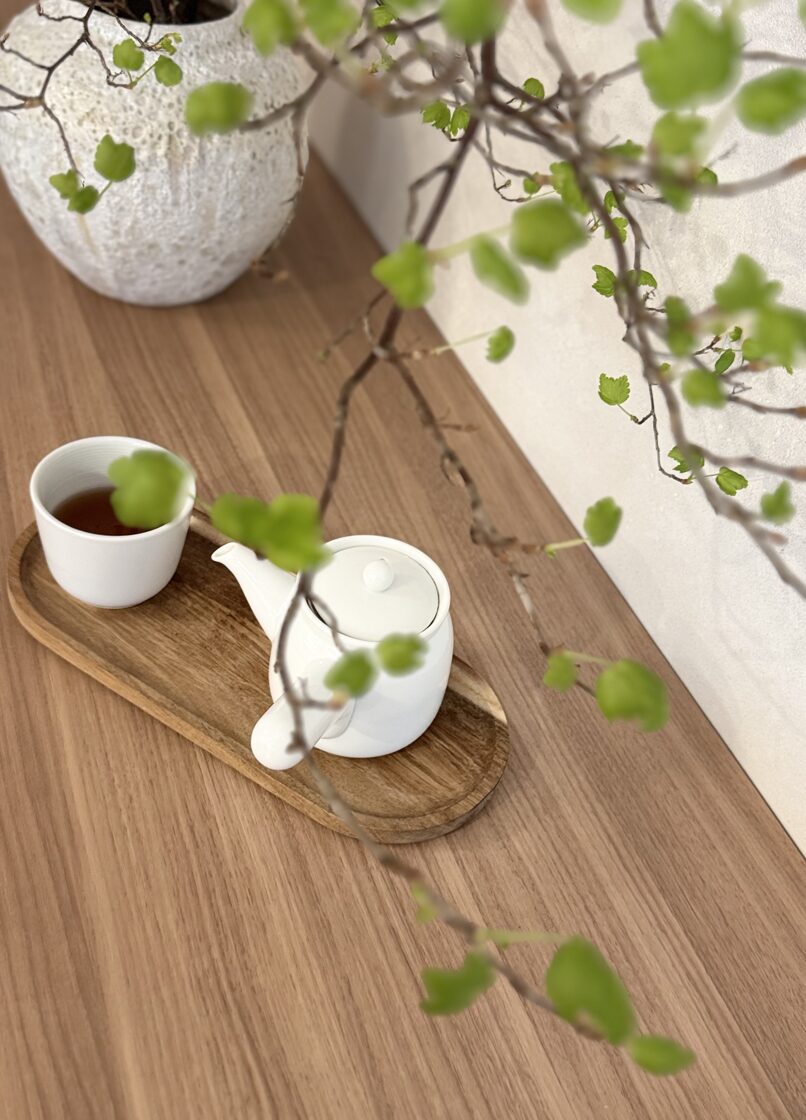
Fast-forward a century later, hojicha is more popular than ever in Japan. Today, consumers can choose between a wide variety of roasted green teas made from Bancha, Sencha, and Kukicha. Since 2016, new hojicha flavored products have been introduced to the market. From ready-made drinks to frozen desserts, hojicha is taking over stores across Japan.
Key Health Benefits of Hojicha Tea:
- Extremely Low Caffeine:
- Promotes Calm and Focus:
- Rich in Antioxidants:
- Aids Digestion and Metabolism:
- Supports Heart Health:
- Improves Skin Health:
- Oral Health Support:
- Reduces Physical Fatigue:
How to make a classic hot brew of Hojicha?
Preparing Traditional Hojicha
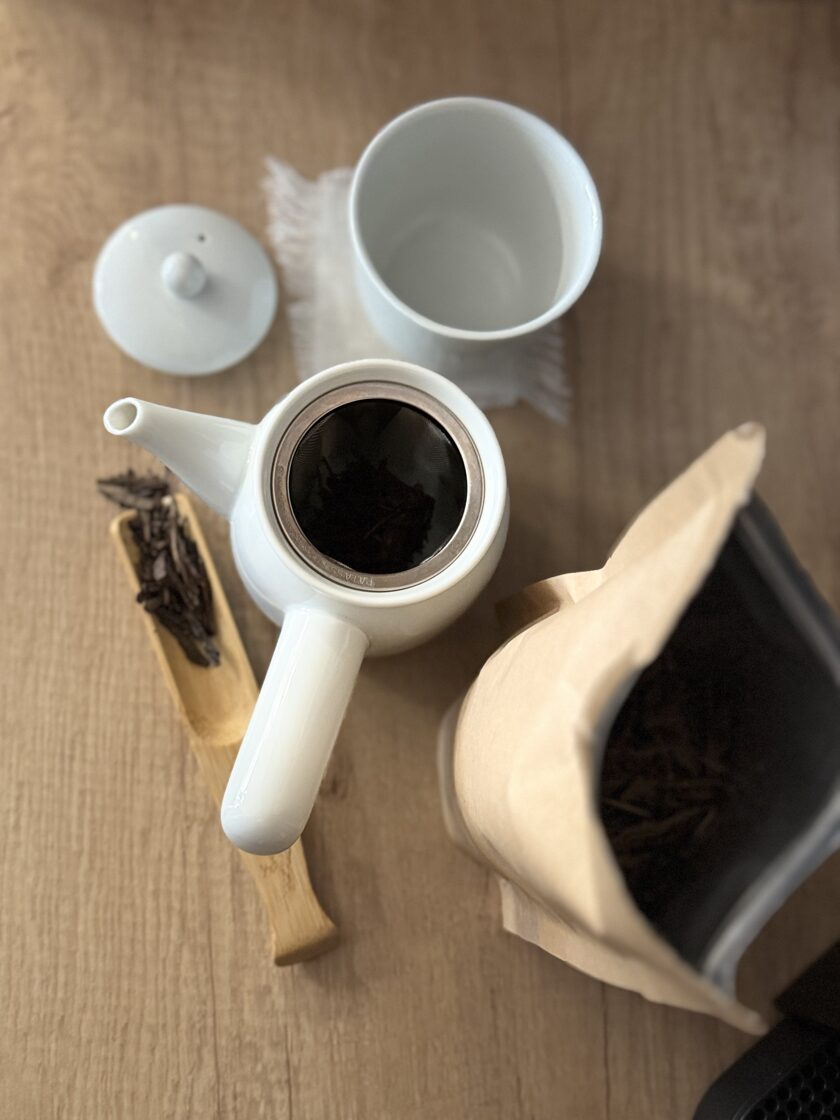
Prepare hojicha by adding 8 grams of roasted green tea into a teapot or a tea infuser. Heat filtered water to 80°C (175°F), and pour 240 ml of water over the hojicha in a circular motion. Let the hojicha steep for only 30 seconds.
f using a traditional Japanese teapot (kyusu) with a built-in strainer at the spout, divide the hojicha evenly among your tea cups. Carefully pour out every last drop of hojicha, and save the tea leaves for the next steep.
Enjoy the smoky aroma of hojicha, as you sip on your roasted green tea. Let it cool to bring out hojicha’s natural sweetness as the flavor deepens.
Hojicha can be steeped again for as long as you enjoy the taste. Simply steep the hojicha for a few seconds longer than the previous steep for a rich flavor.
 Cold Brew Hojicha
What is cold brew hojicha?
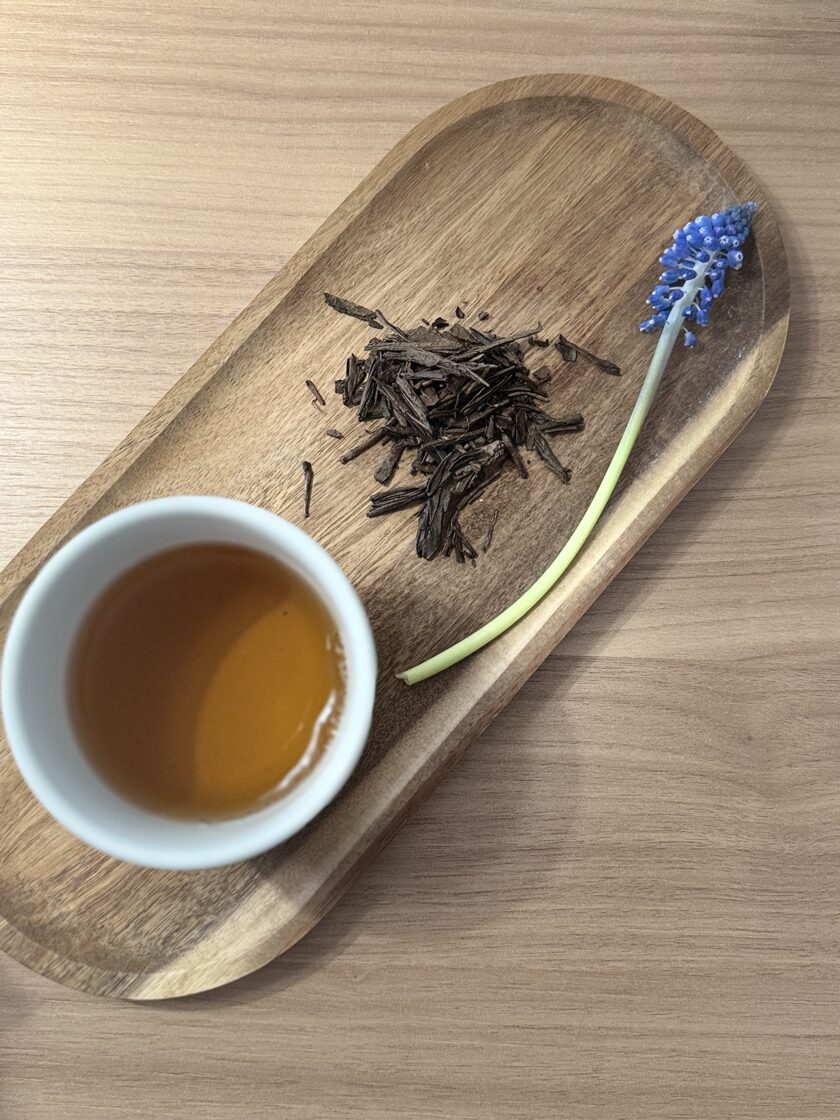
Cold brewing, known as mizudashi (水出し) in Japanese, is a method to prepare tea without any heat. Cold Brew Hojicha is made by extracting the flavor from the tea leaves in cold water over time.
Cold Brew Hojicha tastes best when the tea leaves have plenty of room to expand and fully release their flavor. This makes large bottles with a built in filter ideal.
If you don’t have any tea brewing equipment on hand, then you can simply use a mason jar or any glass container with a lid. Once the tea is done steeping, you can use a strainer to catch the tea leaves as you pour your infusion into a glass pitcher.
How long should you steep cold brew hojicha?
When cold water is used to steep hojicha, you don’t have to be as precise as when preparing a hot cup of tea. Instead, you can leave the tea leaves to steep for anywhere from 6 to 8 hours. At 6 hours you’ll be rewarded with a delicate and lightly sweet tea, and if you prefer a more full-bodied flavor you can keep it in the fridge for longer.
Steep your tea before bed, or as soon as you wake up, and get ready to sip on a refreshing cup of Cold Brew Hojicha all summer long.
Ingredients
- 7.5 grams Hojicha (approximately 3 tablespoons)
- 750 ml (25 fl oz) cold filtered water
Instructions
- Combine 7.5 grams of Hojicha Classic and 750 ml of cold filtered water in a cold brew tea bottle or a glass mason jar.
- Refrigerate the hojicha infusion, and let the loose tea steep for approximately 6-8 hours (based on your personal preference).
- If your container doesn’t have a built-in filter, transfer prepared cold brew tea into a pitcher by using a fine-mesh sieve to strain the tea leaves.
- Enjoy the delicate infusion as you sip on your Cold Brew Hojicha throughout the day.
Hojicha tea buy...
The forest invites us to open our hearts and listen
Forest Bathing in Japan Shinrin - Yoku 森林浴
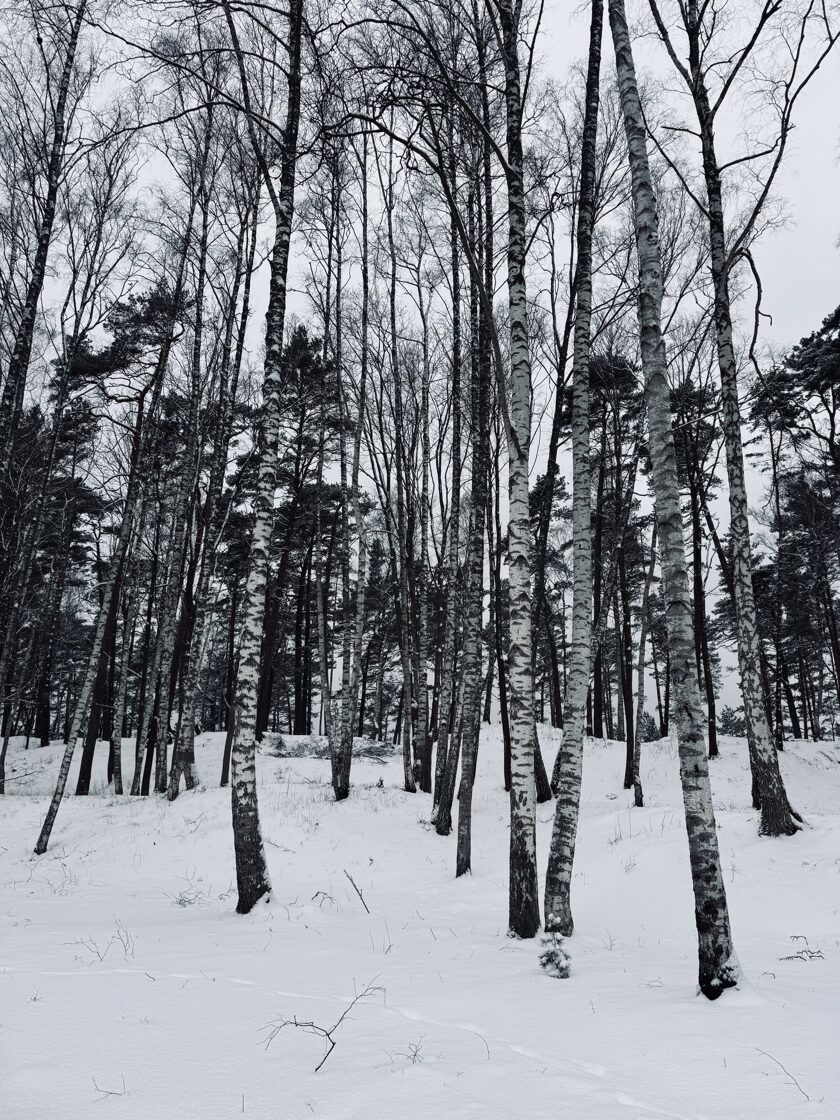
Forest bathing has become a vital part of preventative healthcare in Japan.
History of forest bathing
Forest bathing as a medicinal practice in Japan goes back to the 1980s. Around this time, the world was coming to realise the negative effects of depression, distraction, and aches and pains.
These effects have only gotten worse with time, and are now recognized in cities all over the world. It's difficult to truly relax in cities, with sensory overload caused by heavy traffic, dense populations and long hours spent in offices. High demand for real estate has made many cities "green-poor”, with few trees and parks to give even the illusion of nature.
Dr. Qing Li, MD, Ph.D. is a doctor at Nippon Medical School in Tokyo, president of the Society of Forest Medicine and author of Forest Bathing: How Trees Can Help You Find Health and Happiness. He estimates we spend 93 percent of our time indoors.
He identified a nature deficit disorder in society, which contributes to negative feelings about life, but can be significantly improved by just a few hours of forest bathing.
Benefits:
- Immune system booster
- Mental health and mood improvement
- Decrease in blood pressure and stress
- Challenging the effects
How to practice Shinrin - Yoku :
Place and time:
Choose a forested area, forest, or park. Recommended duration: 20 minutes to 2-4 hours.
Turn off devices:
Put your phone on "do not disturb" mode to focus on the moment.
Move slowly:
This is not a fitness walk, but a stroll without a destination.
Walk slowly, listening to yourself.
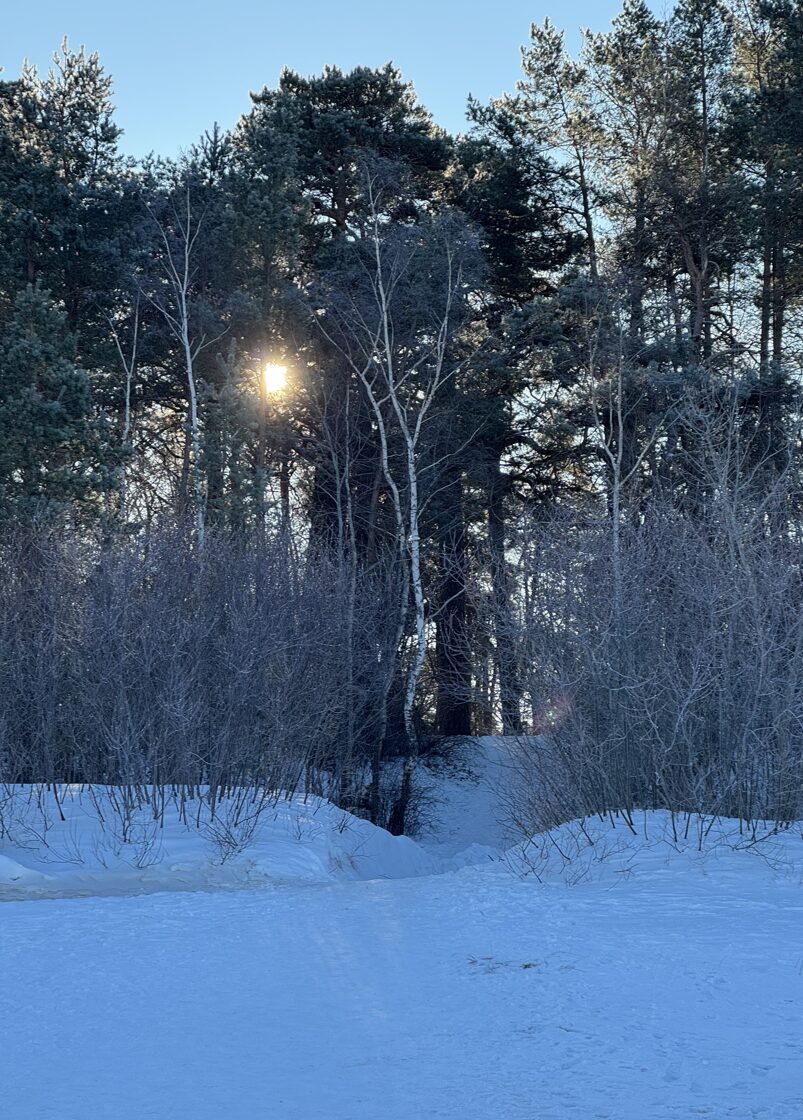 Engage your five senses:
Sight:
Notice the patterns in the bark, the play of light, and the shades of green.
Hearing:
Listen to the birds singing, the rustling of leaves, and the sound of footsteps.
Smell:
Inhale the scents of pine needles, earth, and moist air.
Touch:
Touch the moss, tree bark, and walk barefoot.
Taste: Taste the forest air; you can bring a thermos of tea.
Practice pauses:
Stop, sit on a tree stump, and take deep breaths, drawing the air into your belly.
Regularity:
Even short 20-minute forest baths have been shown to reduce cortisol (the stress hormone) levels by 21%.

Daffodils in Japan
In Japan the daffodils is a well known and beloved flower.
It is called 水仙 Suisen, which literally means "water fairy".
A symbol of purity, modesty and elegance.
Associated with winter and early spring.
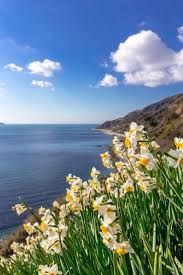
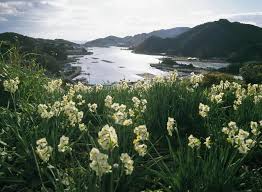
Awaji Island large fields of daffodils
Awaji Island is famous for its vast fields of wild narcissus (daffodils), particularly at Nada Kuroiwa Narcissus Field (Nada Kuroiwa Suisenkyo), one of Japan's top three narcissus colonies, where millions bloom on steep coastal slopes, offering stunning views of yellow flowers against the blue sea from late December to February.
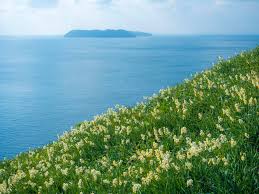
This natural phenomenon began centuries ago when fishermen planted bulbs that washed ashore, creating a winter spectacle known for its sweet scent and beautiful scenery, often enjoyed from observation decks.
Nagasaki, Kyushu coastal areas
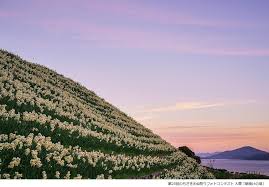
Nagasaki's Kyushu coast, especially the Nomozaki area, is famous for its spectacular winter narcissus displays at Suisen no Sato Park, featuring millions of flowers with sea views and the iconic Gunkanjima (Battleship Island), offering a unique coastal fragrance experience during their winter festival (late Dec-Jan).
This location is designated one of Japan's "100 Fragrant Landscapes," highlighting its beautiful scent carried on the sea breeze, making it a prime spot to enjoy narcissus in a stunning maritime setting.
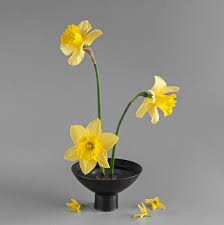
Narcissus included in traditional Ikebana floral arrangements
In Ikebana, the narcissus (suisen) symbolizes new beginnings, purity, simplicity, and good fortune, especially for winter and New Year displays, representing the arrival of spring and vitality with its crisp, upright form that contrasts with its delicate blooms.
In Japanese art, the daffodils known as suisen is a prominent motif appearing in traditional and contemporary forms.
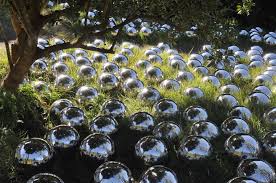
Yayoi Kusama One of the most famous
Japanese artworks titled after the flower is Kusama’s "Narcissus Garden" (first created in 1966)
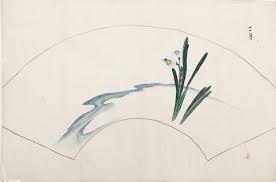
Japanese school Narcissus By a Stream - Arader Galleries.
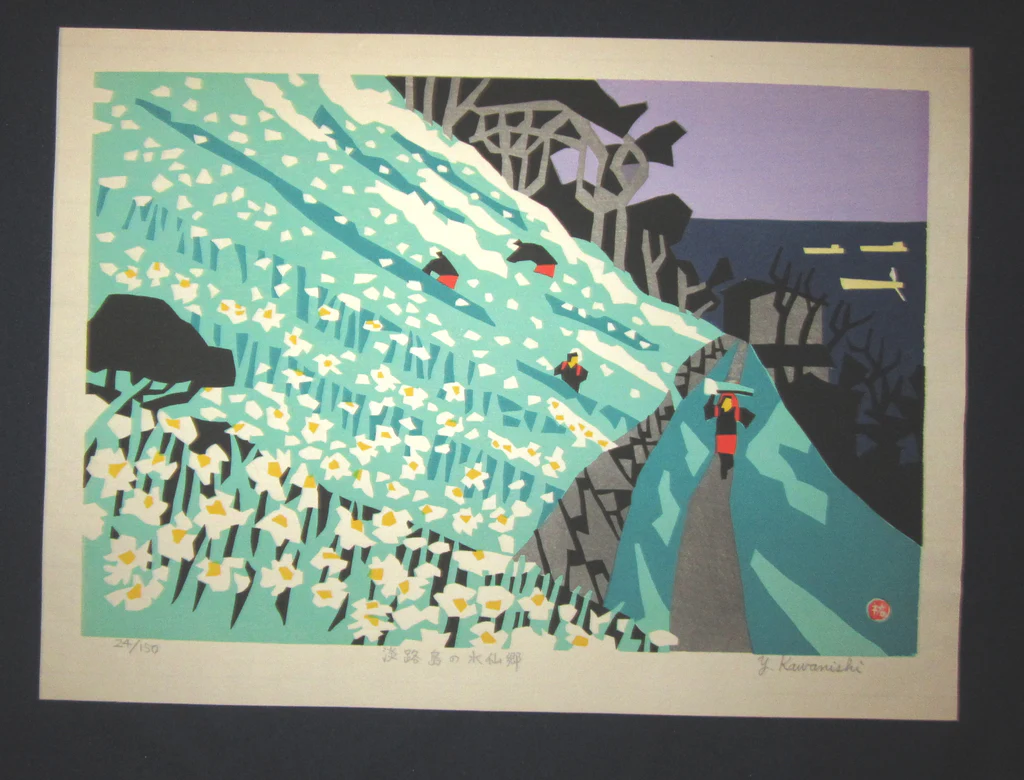
Huge Orig Jpanese Woodblock Print PENCIL Kawanishi Yuzaburo Awaji Island Narcissus County.
水仙や 白き障子の とも移り
(Suisen ya / shiroki shōji no / tomoutsuri)
Narcissus and the white paper screen,
reflecting each other
Bashō
初雪や 水仙の葉の たわむまで
(Hatsuyuki ya / suisen no ha no / tawamu made).
The first snow falls
the leaf of a narcissus plant
bends a little
Bashō
With love...