Daffodils in Japan
In Japan the daffodils is a well known and beloved flower.
It is called 水仙 Suisen, which literally means "water fairy".
A symbol of purity, modesty and elegance.
Associated with winter and early spring.
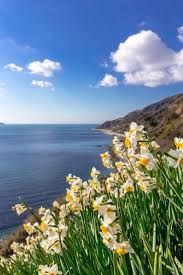
Awaji Island large fields of daffodils
Awaji Island is famous for its vast fields of wild narcissus (daffodils), particularly at Nada Kuroiwa Narcissus Field (Nada Kuroiwa Suisenkyo), one of Japan's top three narcissus colonies, where millions bloom on steep coastal slopes, offering stunning views of yellow flowers against the blue sea from late December to February.
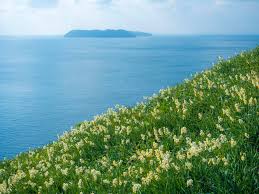
This natural phenomenon began centuries ago when fishermen planted bulbs that washed ashore, creating a winter spectacle known for its sweet scent and beautiful scenery, often enjoyed from observation decks.
Nagasaki, Kyushu coastal areas
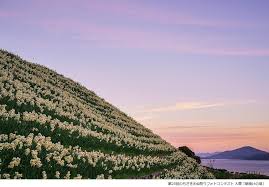
Nagasaki's Kyushu coast, especially the Nomozaki area, is famous for its spectacular winter narcissus displays at Suisen no Sato Park, featuring millions of flowers with sea views and the iconic Gunkanjima (Battleship Island), offering a unique coastal fragrance experience during their winter festival (late Dec-Jan).
This location is designated one of Japan's "100 Fragrant Landscapes," highlighting its beautiful scent carried on the sea breeze, making it a prime spot to enjoy narcissus in a stunning maritime setting.
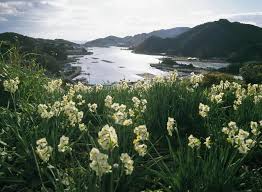
Narcissus included in traditional Ikebana floral arrangements
In Ikebana, the narcissus (suisen) symbolizes new beginnings, purity, simplicity, and good fortune, especially for winter and New Year displays, representing the arrival of spring and vitality with its crisp, upright form that contrasts with its delicate blooms.
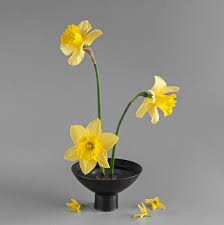
In Japanese art, the daffodils known as suisen is a prominent motif appearing in traditional and contemporary forms.
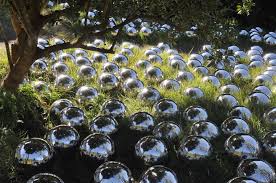
Yayoi Kusama One of the most famous
Japanese artworks titled after the flower is Kusama’s "Narcissus Garden" (first created in 1966)
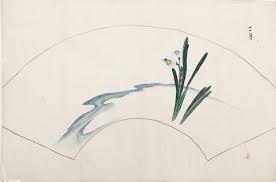
Japanese school Narcissus By a Stream - Arader Galleries.
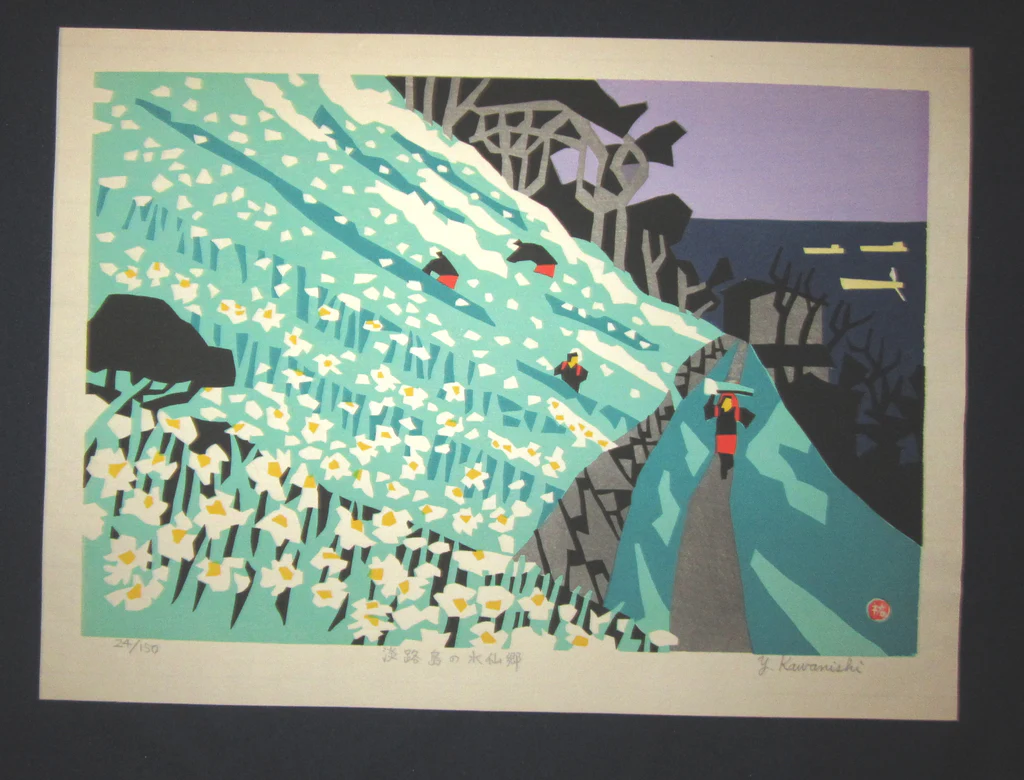
Huge Orig Jpanese Woodblock Print PENCIL Kawanishi Yuzaburo Awaji Island Narcissus County.
水仙や 白き障子の とも移り
(Suisen ya / shiroki shōji no / tomoutsuri)
Narcissus and the white paper screen,
reflecting each other
Bashō
初雪や 水仙の葉の たわむまで
(Hatsuyuki ya / suisen no ha no / tawamu made).
The first snow falls
the leaf of a narcissus plant
bends a little
Bashō
With love...