History of Hojicha
Hojicha is developed
There was one downside to machine trimming. When green tea leaves are harvested mechanically, debris is scattered among the leaves. As an island with limited resources, an important part of Japanese culture is the prevention of waste. In the 1920s, a tea merchant tried to make the most of the leftover leaves, stems, stalks, and twigs by roasting them over charcoal. The experiment proved successful, and hojicha came to be.
Hojicha originated in Kyoto, and shortly after tea shops across Japan began roasting green tea. In addition to minimizing wastefulness, hojicha resulted in another business opportunity. The pleasant aroma of roasting green tea helped merchants entice more customers into their shops. Once tea drinkers tasted hojicha, they were enchanted by its deep smoky aroma and round flavor.
Hojicha today
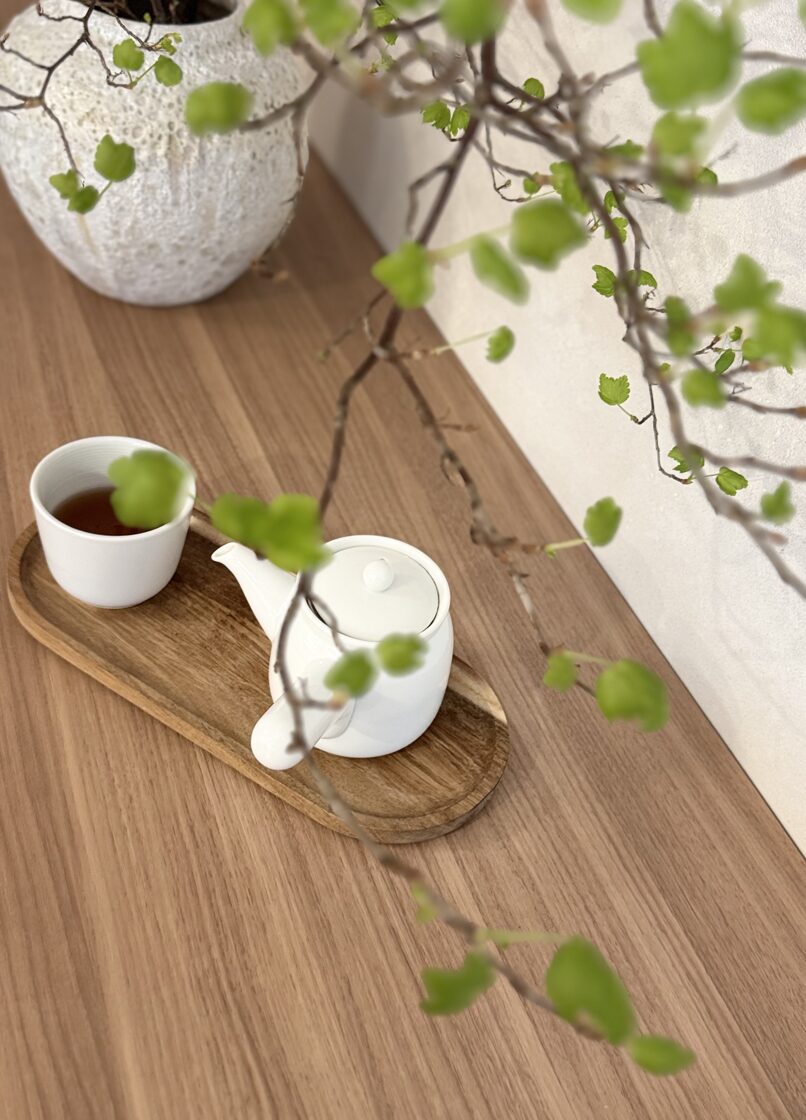
Fast-forward a century later, hojicha is more popular than ever in Japan. Today, consumers can choose between a wide variety of roasted green teas made from Bancha, Sencha, and Kukicha. Since 2016, new hojicha flavored products have been introduced to the market. From ready-made drinks to frozen desserts, hojicha is taking over stores across Japan.
Key Health Benefits of Hojicha Tea:
- Extremely Low Caffeine:
- Promotes Calm and Focus:
- Rich in Antioxidants:
- Aids Digestion and Metabolism:
- Supports Heart Health:
- Improves Skin Health:
- Oral Health Support:
- Reduces Physical Fatigue:
How to make a classic hot brew of Hojicha?
Preparing Traditional Hojicha
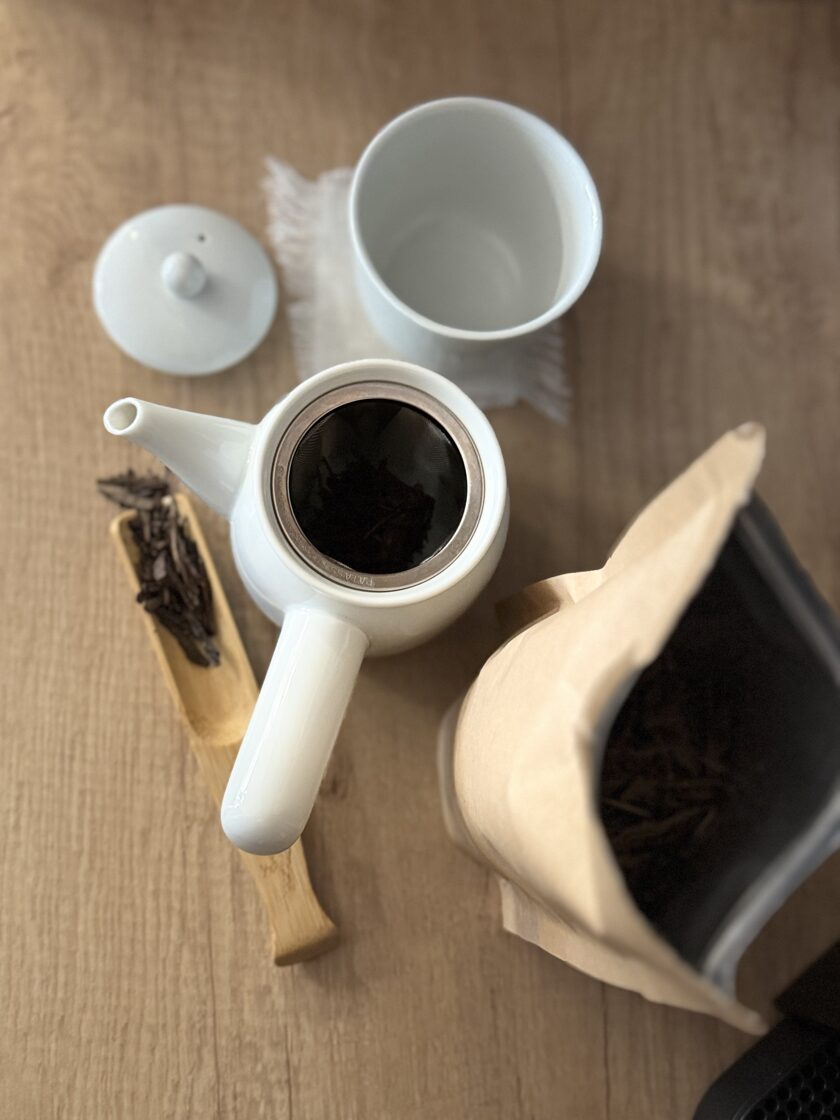
Prepare hojicha by adding 8 grams of roasted green tea into a teapot or a tea infuser. Heat filtered water to 80°C (175°F), and pour 240 ml of water over the hojicha in a circular motion. Let the hojicha steep for only 30 seconds.
f using a traditional Japanese teapot (kyusu) with a built-in strainer at the spout, divide the hojicha evenly among your tea cups. Carefully pour out every last drop of hojicha, and save the tea leaves for the next steep.
Enjoy the smoky aroma of hojicha, as you sip on your roasted green tea. Let it cool to bring out hojicha’s natural sweetness as the flavor deepens.
Hojicha can be steeped again for as long as you enjoy the taste. Simply steep the hojicha for a few seconds longer than the previous steep for a rich flavor.
 Cold Brew Hojicha
What is cold brew hojicha?
Cold brewing, known as mizudashi (水出し) in Japanese, is a method to prepare tea without any heat. Cold Brew Hojicha is made by extracting the flavor from the tea leaves in cold water over time.
Cold Brew Hojicha tastes best when the tea leaves have plenty of room to expand and fully release their flavor. This makes large bottles with a built in filter ideal.
If you don’t have any tea brewing equipment on hand, then you can simply use a mason jar or any glass container with a lid. Once the tea is done steeping, you can use a strainer to catch the tea leaves as you pour your infusion into a glass pitcher.
How long should you steep cold brew hojicha?
When cold water is used to steep hojicha, you don’t have to be as precise as when preparing a hot cup of tea. Instead, you can leave the tea leaves to steep for anywhere from 6 to 8 hours. At 6 hours you’ll be rewarded with a delicate and lightly sweet tea, and if you prefer a more full-bodied flavor you can keep it in the fridge for longer.
Steep your tea before bed, or as soon as you wake up, and get ready to sip on a refreshing cup of Cold Brew Hojicha all summer long.
Ingredients
- 7.5 grams Hojicha (approximately 3 tablespoons)
- 750 ml (25 fl oz) cold filtered water
Instructions
- Combine 7.5 grams of Hojicha Classic and 750 ml of cold filtered water in a cold brew tea bottle or a glass mason jar.
- Refrigerate the hojicha infusion, and let the loose tea steep for approximately 6-8 hours (based on your personal preference).
- If your container doesn’t have a built-in filter, transfer prepared cold brew tea into a pitcher by using a fine-mesh sieve to strain the tea leaves.
- Enjoy the delicate infusion as you sip on your Cold Brew Hojicha throughout the day.
Hojicha tea buy...